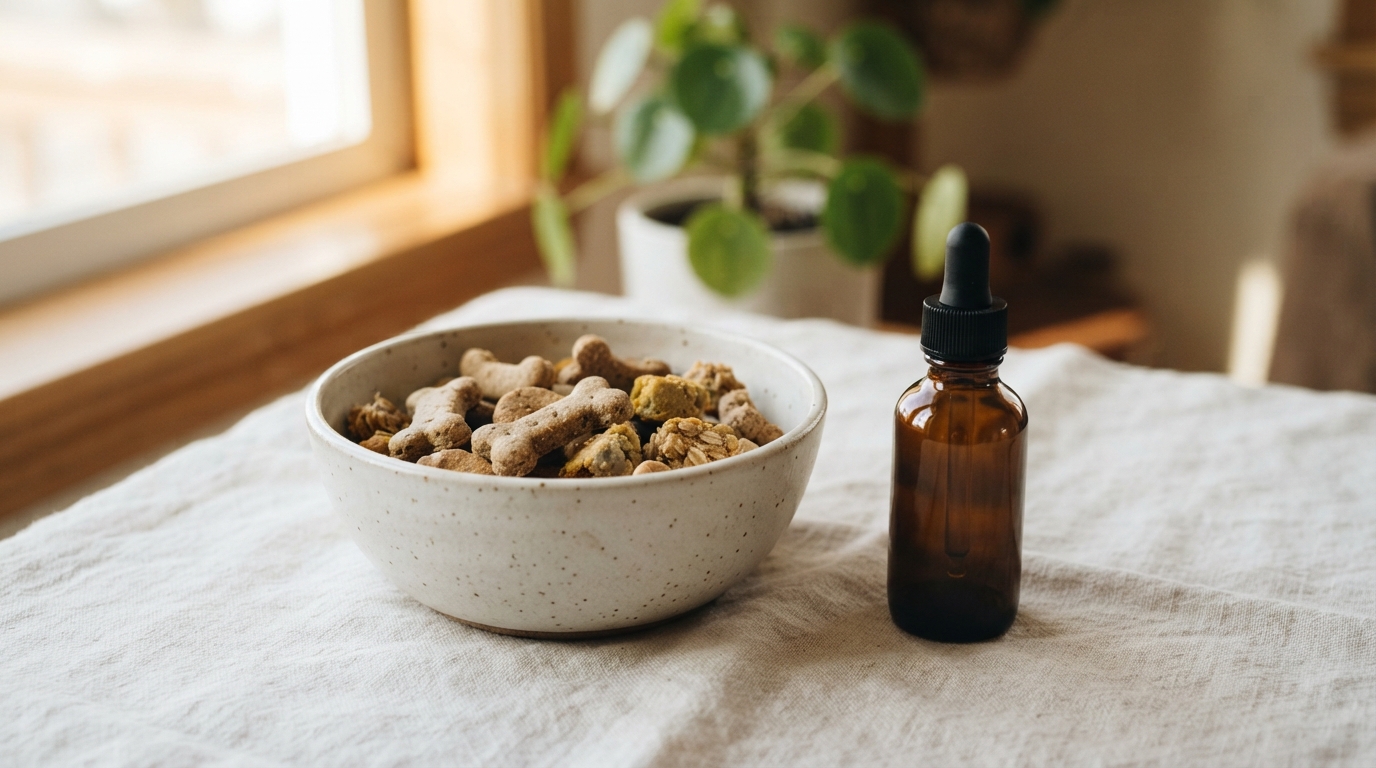
Pet supplements can be difficult to evaluate when product descriptions use familiar words without explaining what they mean. A bottle may mention hemp, cannabinoids, plant extracts, or natural ingredients, but those terms alone do not explain the product’s concentration or suitability for a particular animal.
Interest in Holistapet CBD Oil for Dogs has brought more attention to cannabidiol as a potential supplement for companion animals. CBD is a cannabinoid found in hemp and cannabis plants. It does not cause the same intoxicating effect associated with THC, although some formulations can contain small amounts of THC.
Responsible use begins with a clear reason for considering the product. A dog with an established medical condition requires a different approach from a healthy dog whose owner is simply exploring supplements. The product itself also needs careful review.
Begin With a Clear Purpose
Before purchasing a CBD product, identify the reason it is being considered. General wellness, mobility concerns, seizure management, and behavior-related questions are different situations that require different forms of evaluation.
Research involving dogs has focused on specific areas rather than every possible wellness claim. Studies have investigated osteoarthritis and epilepsy, among other subjects, but the available evidence remains limited.
A supplement should therefore be considered within the dog’s overall care plan. It should not delay an examination when a new symptom appears.
Questions to Consider First
A few basic questions can clarify the situation:
- What change has been noticed in the dog?
- How long has the change been present?
- Has appetite changed?
- Has normal activity changed?
- Is the dog taking prescription medication?
- Has a veterinarian identified an underlying condition?
- Is CBD being considered as an addition to treatment or as a replacement?
The last question is particularly important. Replacing prescribed treatment without veterinary guidance can create unnecessary risks.
Understand What the Product Contains
CBD products can differ substantially in strength. A 30-milliliter bottle may contain 300 milligrams of CBD, while another 30-milliliter bottle may contain 900 milligrams.
The total bottle size therefore cannot be used to estimate CBD concentration.
For example, a 30-milliliter bottle containing 300 milligrams provides approximately 10 milligrams of CBD per milliliter. A 30-milliliter bottle containing 900 milligrams provides approximately 30 milligrams per milliliter.
These calculations describe product concentration. They are not recommendations for canine dosing.
Read the Label Beyond the Front Panel
The back or side of the package may provide information that is more useful than the main product description.
Check for:
- Total CBD quantity
- CBD concentration
- Full ingredient list
- THC information
- Batch or lot number
- Expiration date
- Storage instructions
- Manufacturer details
- Laboratory testing information
A product should be easier to evaluate when the cannabinoid content is clearly stated.
CBD, Hemp Extract, and Hemp Seed Oil
The term “hemp” can refer to different ingredients. Hemp seed oil is produced from hemp seeds and is commonly used as a nutritional oil. Hemp extracts may contain cannabinoids such as CBD.
These ingredients should not be treated as interchangeable.
If a product is promoted as a CBD oil, the label should identify cannabidiol separately rather than relying on the word “hemp.”
Why Ingredient Names Matter
A carrier oil may be included to dilute CBD and make the product easier to administer. Additional flavoring or botanical ingredients may also appear.
Each ingredient should be reviewed, particularly when the dog has food sensitivities or digestive problems.
Human products require additional caution. A human CBD edible may contain chocolate, xylitol, caffeine, raisins, or other substances that are dangerous to dogs.
Consider THC Exposure
THC and CBD are different cannabinoids. THC is associated with intoxication and can produce unwanted effects in dogs.
Signs of cannabis intoxication can include unusual drowsiness, poor coordination, urinary incontinence, changes in behavior, and increased sensitivity to sound or movement.
The safest approach is to avoid assuming that a hemp-derived product contains no THC. Product testing can provide more specific information.
Keep Cannabis Products Away From Pets
Human cannabis products should be stored in a location that dogs cannot access. Edibles are particularly concerning because their smell may attract animals, and the product may contain other toxic ingredients.
If accidental ingestion occurs, the packaging should be retained. The cannabinoid content and ingredient list can help a veterinarian determine the appropriate response.
What Research Has Found
Research into CBD use in dogs remains an active area. One 2018 study investigated cannabidiol in dogs with osteoarthritis and reported improvements in certain clinical assessments during the study period.
A separate 2019 study examined CBD as an adjunctive treatment for dogs with idiopathic epilepsy. The researchers reported fewer seizures among dogs receiving CBD alongside their existing treatment.
These studies do not establish CBD as a universal treatment. The number of animals, formulation, dose, duration, and health condition all affect how the findings should be interpreted.
Research Does Not Equal Product Approval
Scientific evidence and regulatory approval are separate matters.
The U.S. Food and Drug Administration has not approved cannabis-derived products as animal drugs for general veterinary use. Commercial availability therefore should not be confused with FDA approval for treating a specific condition.
This distinction is useful when evaluating product claims.
Discuss CBD With a Veterinarian
Veterinary guidance is especially relevant when the dog already receives medication. CBD can influence enzymes involved in the metabolism of certain drugs, which may affect medication levels in the body.
A veterinarian can review the dog’s complete medication list and medical history before deciding whether a CBD product is appropriate.
Extra Care for Certain Dogs
Professional guidance is particularly important for dogs that:
- Take daily prescription medication
- Have liver problems
- Have kidney disease
- Have a seizure disorder
- Are recovering from surgery
- Have chronic digestive symptoms
- Are pregnant
- Are very young
- Are elderly
The presence of one of these factors does not automatically rule out CBD. It simply makes individualized assessment more important.
Avoid Using Body Weight Alone
Dog owners sometimes assume that a CBD amount can be selected simply by comparing the dog’s weight with a number found online.
That approach can be misleading because products have different concentrations and research studies use specific formulations. A particular milligram amount in one product may correspond to a very different liquid volume in another.
Veterinary guidance can account for the formulation as well as the dog’s health circumstances.
Measure the Product Carefully
A marked measuring device is preferable when an exact liquid volume is required.
Counting drops can be less precise because drop size varies between droppers and liquids. A product containing 20 milligrams of CBD per milliliter should be measured by volume rather than by assuming that a certain number of drops equals a particular milligram amount.
Clear measurement reduces avoidable uncertainty.
Monitor Changes After Introduction
When a veterinarian approves a supplement, observation can help determine how the dog responds.
The first few days can be recorded without making several other changes at the same time. Note appetite, energy, sleep, digestion, mobility, and behavior.
A short record might include the date, product concentration, amount administered, administration time, and any noticeable changes.
Signs That Need Attention
Reported concerns associated with CBD use in dogs include drowsiness, digestive changes, and appetite changes. Research has also investigated changes in liver-related laboratory values.
Contact with a veterinarian is appropriate when a dog develops concerning symptoms such as:
- Repeated vomiting
- Severe diarrhea
- Significant weakness
- Tremors
- Loss of coordination
- Marked sedation
- Difficulty standing
- Sudden behavioral changes
A concerning reaction should not be managed by guessing at a new amount.
Product Testing Can Add Useful Information
A certificate of analysis, or COA, is a laboratory report associated with a tested product sample. It may provide cannabinoid concentrations and information about certain contaminants.
The most useful reports can be connected to a particular batch or lot.
When reviewing testing information, check whether the report identifies the product, provides CBD and THC results, identifies the laboratory, and includes the relevant batch information.
A COA can help verify product composition. It does not establish that the product is effective for a specific medical condition.
Responsible Storage Matters
CBD products should remain in their original containers and follow the manufacturer’s storage instructions.
The bottle should be placed somewhere inaccessible to pets and children. A dog that chews through a container can consume much more than the intended amount.
Separate storage is particularly useful when a household also contains human cannabis products. Human products may contain higher THC concentrations or other ingredients that can harm dogs.
Frequently Asked Questions
Can CBD replace a veterinarian-prescribed medication?
No medication should be stopped or replaced without veterinary direction. CBD research does not establish it as a universal substitute for prescribed treatment.
Is CBD intoxicating for dogs?
CBD itself is not associated with the same intoxicating effect as THC. THC exposure, however, can cause intoxication and adverse effects in dogs.
Does every hemp product contain CBD?
No. Hemp seed oil, hemp extracts, and CBD products can have different compositions. The label should specifically identify CBD if cannabidiol is present.
Is a CBD product safe because it is natural?
Natural origin does not guarantee safety. Dogs can react to cannabinoids, carrier oils, additives, or contaminants, and CBD may interact with certain medications.
Final Thoughts
Responsible CBD use for dogs begins with a clear purpose, careful product evaluation, appropriate measurement, and attention to the animal’s health history. Veterinary guidance remains especially important when a dog has an existing condition or receives medication.
